
As usual, I got a bit carried away writing the intro, so feel free to skip it, because I don't want you to miss out on my bookmarks!
Yesterday, on its launch day, I signed up to Wedium, which presents itself as the 'social social network'. But really, it's more like a TikTok clone wants to be different by, among other things:
- Being European and less prone to government surveillance and privacy issues
- Having no bots
- Promising to pay content creators
I quickly wanted to claim a handle (@Koos), but I'm not yet convinced the platform is a good idea. What I like is that promise that content creators will get half of the ad revenue. But it's a vague promise and also doesn't include the revenue from subscriptions that make using the platform ad-free.
As the whole thing has an algorithmic feed and basically looks like TikTok and Instagram Reels, I don't care about the no bots thing. That's what the algo should take care of; if users like to see bot content, that's fine.
Of course, on other platforms, bots place comments too. Several anti-democratic regimes now have hired hundreds, thousands of people to place comments to either put them in a favorable light and push misinforation. I don't see how the ID check Wedium requires to post is going to change that.
Which brings me to the first main benefit: privacy. I absolutely do not like providing my government-issued ID to a third party to check it. Even if they made it quite quick and uncomplicated. I don't know this third party, I don't know how long they'll keep my data and I don't have certainty about my data only being used for that purpose. They may be bought by an American, Saudi or Chinese company and even if that doesn't necessarily give them access to my other activities like on Wedium, it does make it easier.
Now I understand that a democracy needs a functioning public debate. I understand that on a platform like TikTok and Twitter, it's dysfunctional and that bots and paid commenters are a reason for that. But having to provide an ID to the surveillance apparatus to participate doesn't look like a good solution to me. I'd rather flat out block the platforms that threaten our democracies and way of life with intention.
As for the 'social social' in 'social social' network: this doesn't appear to be a social network at all, just like TikTok isn't one. I mean, you can follow people, but just like on other platforms, that doesn't guarantee you'll see their posts. At the same time, the feed is full of other people's content. Is a platform social if most the content served doesn't come from social connections? Then so is a news website with a comment section and so is YouTube. I'd say Apple's Photos app is more of a social network than all of them, because at least there I only see the comments of people I'm connected with.
The early Web 2.0 was all about platforms that connected people. The fragmentation of the networks meant that I had Dutch friends on Hyves and later on Facebook, my Indian friends on Orkut and professional connections on LinkedIn. I had a blog where friends and family commented. The separation was useful because with one group I talk differently about different things than with the other. But of course we all flocked to Facebook, as the idea of having all people in one online place seemed more convenient than visiting all these different platforms and then it all went to shit.
Besides the big platforms, the social media I use today are WhatsApp, Signal and Telegram groups, iMessage. And of course there's still my blog and this very newsletter. So now I have the benefit of separating content for different groups of people again. Sort of. Because I rarely ever update my status anywhere. I do post on Mastodon, Bluesky and LinkedIn. But it's all somehow internet and work related. Or introspective—I don't even know anymore why I write this newsletter anymore.
(With the growing audience, the share of subscribers I don't know personally gets bigger than the other share (I love you all though!), which doesn't make this less personal, but does make me feel I should make my writing less specific.)
Anyway, sometimes I think about how I really want to see online social interactions. I think it's something like:
- Decentralized social media. Mastodon is really doing great there. No, you're not going to do viral marketing campaigns there and that's exactly what I don't want on social media where I connect with people. This works great, so: ✅
- A blog where I can post in whatever medium and format I want and I own the content: ✅
- A way for people to follow multiple blogs in one place. That's RSS + RSS readers, but just this week I talked with someone who blogs professionally and hadn't heard about it before, so I'm not sure if we really have that, but I do. ✅
- A way to easily and conveniently publish on blogs. I guess Tumblr does that, but in the end this is a CMS and CMSs are all geared towards enterprise customers charging high monthly fees without even offering a mobile app, so that's really something we, internet makers, are falling short on. ❌
- Privacy settings for blog posts. This seems to be a hard problem. Things were nice during Web 2.0 because things happening online largely stayed there. Because I was a freak with a digital camera, I needed to share photos with friends, I just posted them to public Flickr albums. Years later, when I started my own business and googled what I looked like online, I found all kinds of pictures of which I guess my friends wouldn't like their employers to see (sorry friends). Anyway, the combination of fully open and decentralized doesn't easily fit with secure and closed, but I guess it should be possible with encrypted content, but that would either require a centralized identity system (bad for privacy) or shared passwords (bad UX and possibly bad security). ❌
- A way to comment to blogs with visibility settings. Lots of people react to my blog via e-mail. Apparently they just don't want to do that in public. And really, if a personal connection reacts to a personal thing, that shouldn't be visible on a public platform. I notice the same in some of my chat groups, where people send DMs to react to group postings. For this, some sort of decentralized ID would be quite nice. E-mail is that already and could be the basis for it, but currently nobody fires up there mail client, drafts a mail only to send a thumbs-up emoji as a reaction to a post. ❌
Now if Wedium would really try something different than the platforms before it, I'd be more excited about it. But best case, in it's current form it'd be an addictive feed of short-form video, reasonable content moderation and paid video makers. Nothing against short-form video—I've seen at least five really good short videos this year. But even if I'm not a big Insta, TikTok or YouTube user, I must literally have seen thousands of them. I don't want to make more time for that and I don't call that social social.
Then again. It's early days. Wedium can still iterate and pivot. Arguably it's a good idea to start with UI patterns that got real big real fast, from a competitor has always has been fishy. And at least they're building something instead of just writing about what would be nice!
Climate subscriptions
The huge wildfires in Spain and France can fill one with despair. Millions of animals dead, forests gone, hundreds of thousand of people had to evacuated and several died. The smoke likely causes even more casualties long term. While climate-change induced conditions made the fires so big, fires also contribute to further climate disasters.
The sheer size of the problem doesn't mean you can't do anything about it
Every tonne of CO₂ we capture or prevent from being emitted prevents these disasters or makes them a bit smaller.
It’s common to spend over €60 for streaming subscriptions monthly. For much less than that amount, you can offset the average per capita carbon emissions in Europe.
This month me and my team at ForTomorrow want to gain 100 new climate subscriptions for effective climate protection in Europe. It's not a huge number, but the collective monthly recurring donations are essential to our non-profit business. So please, let's make us reach that goal!

Make climate action your most important subscription | ForTomorrow
Offset carbon emissions through your climate subscription. For a monthly amount, we plant trees and cancel emission certificates.
(If you visited the page and didn't sign up: please reply to this mail and tell me why not.)
From my blog

New euro banknotes | Koos Looijesteijn
And there's a voting contest!
This post is brings together two things you'd probably rather not read or even think about any more: the climate and AI. But you may find my conclusion interesting:

How dirty is your AI use? | Koos Looijesteijn
Does OpenAI cause 350 kg of CO2 emissions per customer per year?
I spent more than two years on a the following project, so don't expect a short post now. (And if you're like, you should've used AI: read the thing!)

What I learned from my second Astro-Jekyll migration | Koos Looijesteijn
It took very long.
Bookmarks
I've got some really good links this time!
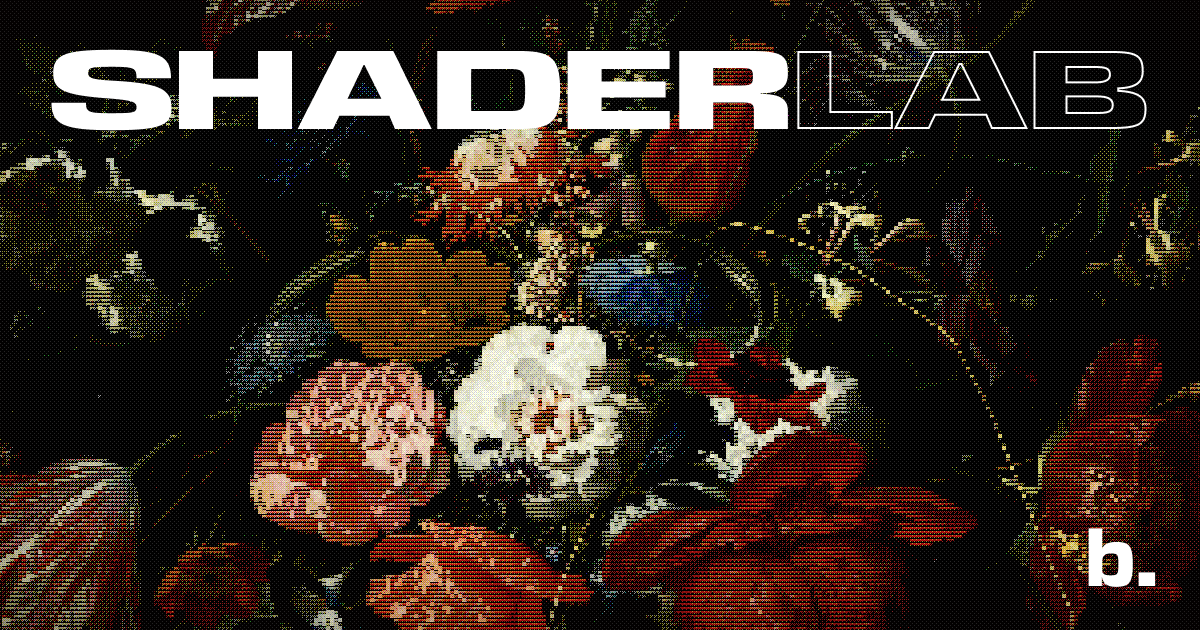
Shader Lab | basement.studio
A powerful toolkit to create, stack, and animate shaders.

So your boss built a prototype — mynameismartin
It's Monday morning. Your boss pulls up something on their laptop. "I had an idea over the weekend," they say. "Just knocked this together on the train.
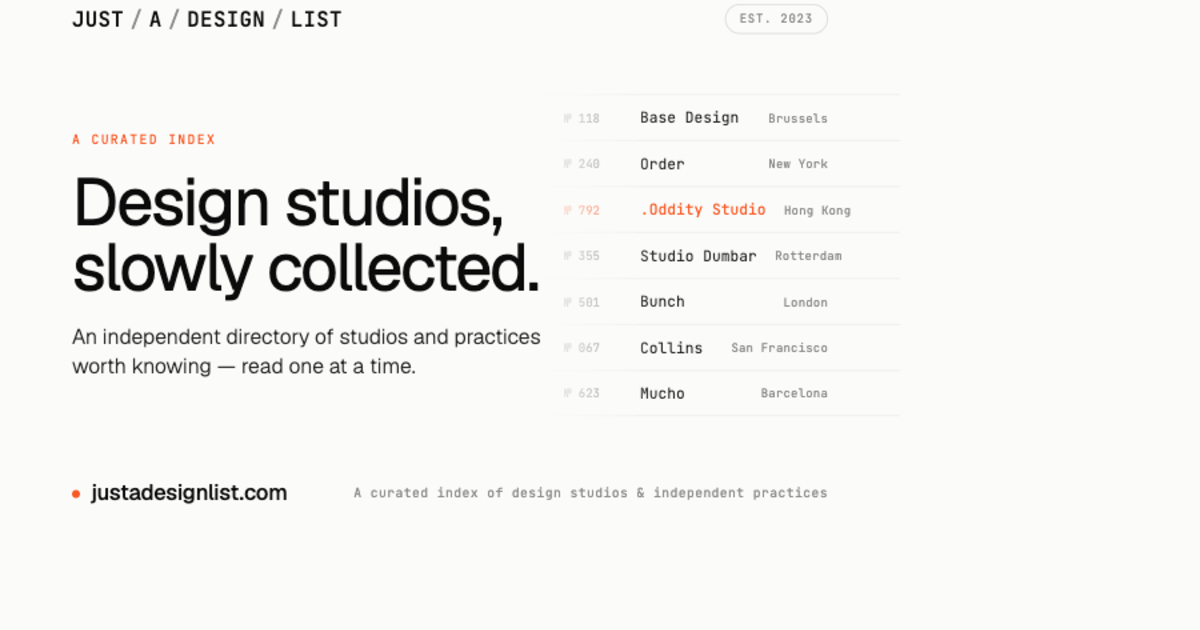
Just a Design List — A curated directory of design practices
A slow, curated index of design studios and independent practices. 814 entries across 54 countries.

How I estimate work as a staff software engineer
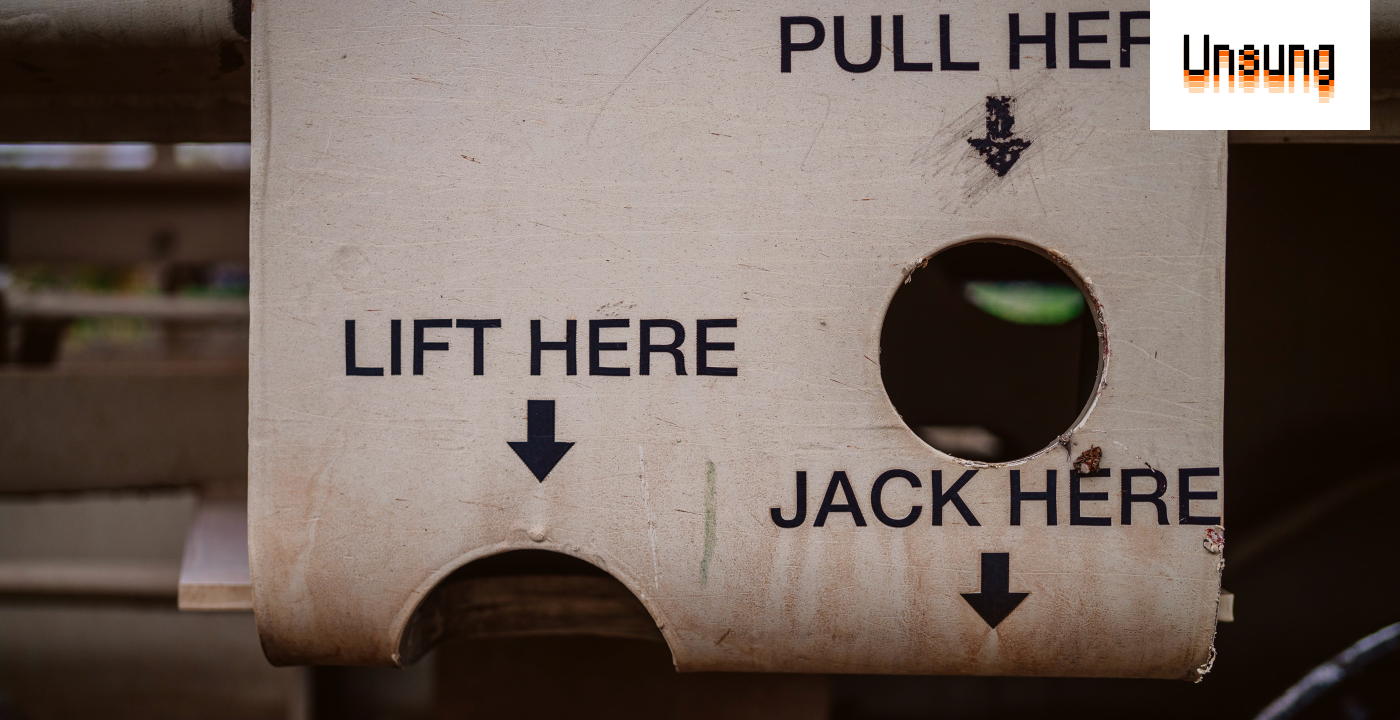
“Use links, don’t talk about them.” – Unsung
A blog about software craft and quality
Finally, two of bookmarks on color. I've written several posts on color myself and I still get so excited when I learn something new about the topic.
Color Game, How Well Can You Remember Colors? | Dialed
We show you colors. You recreate them from memory. Challenge friends to beat your score. It's harder than you think. Play free at dialed.gg.
You just read issue #28 of Koos Looijesteijn's design newsletter. You can also browse the full archives of this newsletter.

